
STRESS, MOOD & NERVOUS SYSTEM
When Your Mind & Nervous System Feel Out of Sync
Changes in focus, memory, mood, sleep or your ability to relax can affect how you function each day. You may feel mentally slowed down, easily distracted, overwhelmed, on edge or simply unlike yourself.
These concerns may be connected to stress, nutrition, sleep, nervous system regulation or another area of health. You do not need to know what is behind them before reaching out. We can help you consider the whole picture and find a personalized place to begin.
RECOGNIZING THE PATTERNS
Does This Sound Familiar?
Changes involving stress, mood, cognitive function and nervous system regulation can appear in very different ways. Some people feel restless, overstimulated or constantly on alert. Others feel mentally slowed down, emotionally heavy, easily distracted or disconnected from themselves.
You may recognize one concern that has been difficult to explain, or several patterns that seem to affect one another. Paying attention to how these changes appear and how they influence your daily life can provide a helpful place to begin.

Stress & Overwhelm
-
Feeling overwhelmed
-
Difficulty relaxing
-
Feeling tense or constantly on edge
-
Racing thoughts, anxiety or uneasiness

Mood & Emotional Patterns
- Irritability
- Mood changes
- Emotional heaviness
- Low motivation or feeling disconnected

Cognitive Function & Mental Clarity
-
Brain fog or mental sluggishness
-
Difficulty concentrating or staying on task
-
Forgetfulness or difficulty recalling information
-
Difficulty processing information or learning something new

Sleep & Physical Stress Responses
-
Difficulty falling or staying asleep
-
Feeling tired but unable to settle
-
Muscle tension or jaw clenching
-
Digestive changes during stressful periods
Experiencing one or more of these concerns does not confirm a mental health, neurological or nervous system condition. These patterns may have several possible influences and cannot identify a cause on their own. They simply provide a starting point for understanding your broader experience and determining what kind of support may be appropriate.
LOOKING AT THE WHOLE PICTURE
The Mind and Nervous System Are Connected to the Whole Body
Focus, memory, mood, sleep and the ability to relax do not function in isolation. Stress, nutrition, digestion, physical comfort, daily routines and life experiences may all be relevant to how someone feels and functions.
Changes in one area may appear alongside changes in another, but symptoms alone cannot explain why they are happening. Looking at these possible connections helps us understand the broader picture without assuming there is one physical, emotional or neurological cause.
Stress Response & Nervous System Regulation
The stress response helps the body react to demands and potential threats. When those demands feel ongoing, it may become difficult to shift out of a heightened state of alertness. This can appear as restlessness, tension, racing thoughts, difficulty concentrating or feeling unable to fully settle.
Sleep & Daily Rhythms
Sleep quality, consistency and daily routines may influence alertness, memory, concentration, mood and emotional resilience. Stress and racing thoughts may make restful sleep more difficult, while disrupted sleep can leave someone feeling mentally foggy, emotionally sensitive or less able to manage daily demands.

Nutrition & Blood Sugar Patterns
Meal timing, food choices, nutritional gaps and inconsistent eating patterns may influence energy, focus and how steady someone feels throughout the day. Understanding appetite, cravings and changes that occur between meals can provide useful context when cognitive or emotional concerns are also present.
Digestion & the Gut-Brain Connection
The brain and digestive system continually communicate with one another. Stress may influence appetite, digestion and bowel patterns, while ongoing digestive discomfort may add to fatigue, distraction and emotional strain. These connections do not mean digestive concerns are responsible for changes in mood or cognition, but they may be one part of the broader picture.

Physical Tension, Pain & Movement
Pain, muscle tension, jaw clenching, headaches and limited movement may make it harder to sleep, concentrate or feel at ease. Physical discomfort can also place additional demands on the nervous system, especially when it is persistent or interferes with everyday activities.

Life Experiences, Health Conditions & Medications
Life changes, grief, trauma, family or work demands, health conditions, medications and medical treatments may all be relevant to changes in mood, cognition, sleep or nervous system function. Understanding what someone has experienced and what care they are currently receiving helps us determine how supportive modalities may fit alongside their healthcare providers.
These connections help us listen to the whole story and identify areas that may deserve closer attention. They do not provide a diagnosis or replace evaluation and care from a qualified healthcare or mental health professional.
Already Navigating a Stress, Mood or Nervous System Condition?
If you have received a diagnosis or are currently working with a healthcare or mental health provider, you do not have to explore your wellness options alone. The Well’s supportive approach is designed to come alongside your existing care and consider how nutrition, stress, sleep and other whole-body patterns may be relevant to your broader wellness plan.
Explore common stress, mood and nervous system conditions and learn how our modalities may offer complementary support. These modalities do not replace psychotherapy, psychiatric care, medical treatment or crisis support.
A PERSONALIZED APPROACH
We Start by Listening to the Whole Story
Digestive symptoms can be frustrating, especially when they change from day to day or do not seem to follow an obvious pattern. At The Well, your first step is not choosing from a list of modalities. Our process begins with understanding what you have been experiencing and how it is affecting your everyday life.
1. Understand What You Are Experiencing
We take time to learn how your symptoms appear, when they tend to occur and whether you have noticed patterns involving certain foods, meals or routines. We may also discuss bowel habits, appetite, health history, medications, current medical care and your goals. You do not need to arrive with perfect records or an explanation for what is happening.
2. Explore Relevant Areas of Support
Using the information you share and any appropriate assessments, we consider patterns that may be relevant to your digestive wellness. This may include nutrition, eating habits, hydration, stress and daily routines. We then consider which modalities may offer meaningful support and how they can complement care you are already receiving from your healthcare providers.
3. Create a Personalized Starting Point
You will not be expected to determine which modality you need on your own. Our team will help you identify a practical starting point based on your concerns, goals and comfort level. Your plan may begin with one modality or include several forms of support over time, with recommendations adjusted as your needs change.

Our goal is to come alongside you and your healthcare providers with support that complements your existing care and reflects your digestive concerns, health history and personal wellness goals.
A PERSONALIZED APPROACH
We Start by Listening to the Whole Story
Changes in focus, memory, mood or nervous system regulation cannot be fully understood through a symptom checklist alone. Before recommending a place to begin, we take time to learn what has changed, how the concerns affect your daily life and what kind of support you are seeking.
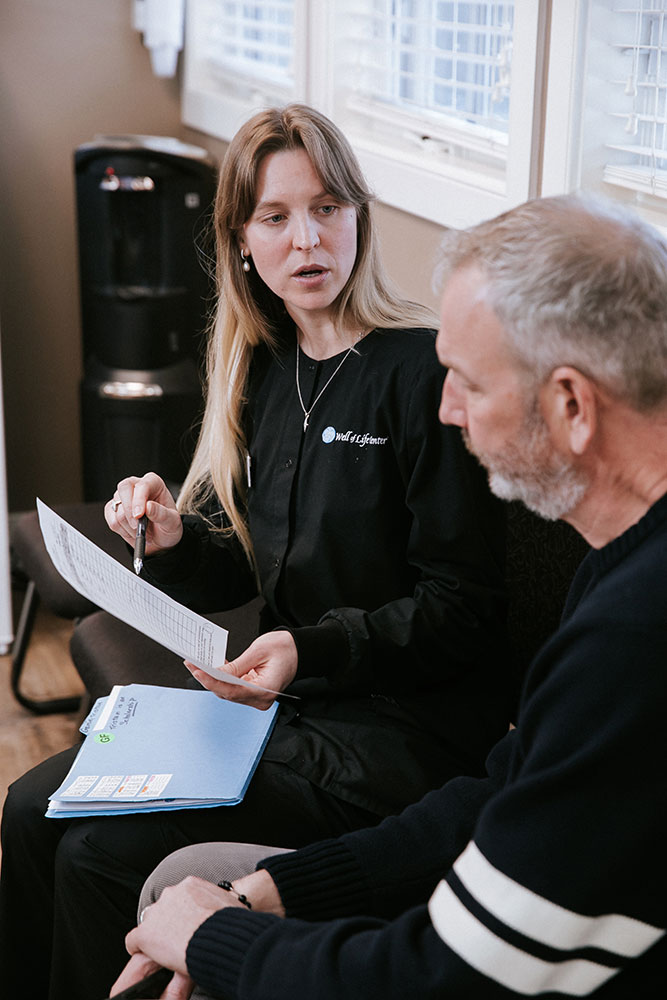
1. Understand What You Are Experiencing
We begin by learning about changes in your stress levels, mood, sleep, focus, memory, physical tension and daily functioning. This may include when the concerns began, whether they are constant or come and go, what patterns you have noticed and how they affect your work, relationships, routines or ability to complete everyday tasks. We also consider your health history, current care and the goals that brought you to The Well.
2. Explore Relevant Areas of Support
Based on your conversation and any appropriate assessments, we consider the areas that may be relevant to your broader wellness picture. This may include stress, sleep, nutrition, digestion, physical comfort, life experiences, health conditions, medications and any medical or mental health care you are currently receiving. These connections help guide which supportive modalities may be considered without assuming that one factor explains everything you are experiencing.
3. Create a Personalized Starting Point
You receive guidance based on your individual needs, comfort level, goals, health history and current care. You are not expected to determine whether your concerns are cognitive, emotional, nutritional or related to nervous system regulation. You also do not need to choose a modality on your own. Our team will help you understand your options and identify a practical place to begin.
Our goal is to come alongside you and your healthcare providers with personalized support that complements your existing care and respects the full story of what you have been experiencing.
MODALITIES THAT MAY SUPPORT YOU
Personalized Support for Mind and Nervous System Wellness
Changes in focus, memory, mood, sleep or nervous system regulation can have many possible influences. The modalities considered for you will depend on what you are experiencing, your health history, current care, comfort level and personal goals.
Experiencing stress, emotional changes or difficulty concentrating does not automatically mean that you need a particular modality. These options represent some of the ways we may support you after taking time to understand the whole story.
These modalities offer two different starting points. Brain Integration Technique focuses primarily on cognitive function and communication within the brain, while Splankna considers emotional patterns through a Christian mind-body framework.

Brain Integration Technique
A non-invasive approach designed to support communication among areas of the brain involved in focus, memory, learning, information processing and everyday cognitive function.

Splankna Therapy
A Christ-centered, faith-based mind-body approach designed to help identify and address unresolved emotional patterns while supporting emotional and spiritual well-being.
Additional Modalities That May Be Considered
Depending on your concerns and personalized starting point, one or more of these modalities may also be considered.
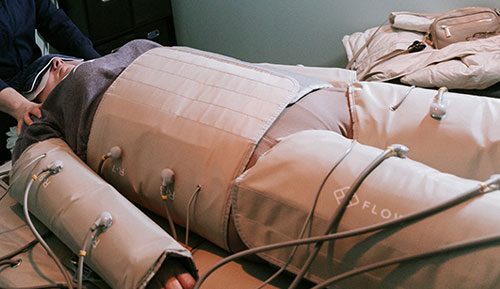
Flowpresso
A relaxing, full-body modality combining gentle compression, deep pressure and infrared warmth that may support relaxation, lymphatic flow and nervous system balance.

Craniosacral Fascial Therapy
A gentle, hands-on therapy that may be considered when fascial restrictions, physical tension or difficulty fully relaxing are part of the broader wellness picture.

Muscle Response Testing
A non-invasive assessment method that may help identify areas of nutritional stress and guide individualized nutrition and wellness recommendations.

Personalized Nutrition
Individualized nutrition and supplement recommendations that may support steady energy, mental clarity and overall wellness based on your unique needs and goals.
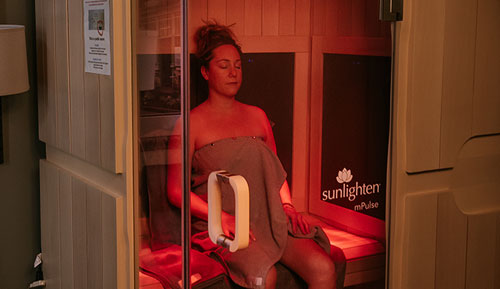
Infrared Sauna
A soothing heat therapy that may encourage relaxation, support healthy circulation and provide gentle comfort when physical tension accompanies stress.

Remote Nutritional Care
Personalized nutritional guidance and ongoing support for clients who cannot visit in person or need continued care from a distance.

Neural Therapy at The Well Spa
An injection-based therapy that may be considered when scars, previous injuries or other physical stressors are part of a broader pattern affecting nervous system regulation and well-being.
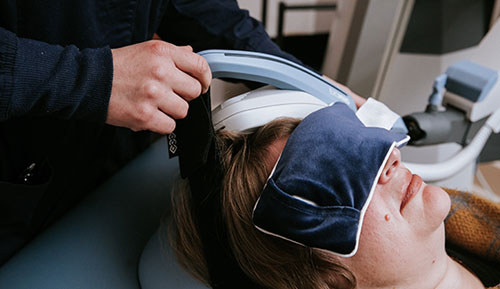
EXOMIND at Well EmSpa
A non-invasive technology that uses targeted magnetic stimulation to support areas of the brain associated with mood regulation, cognitive function and mental clarity. A consultation can help determine whether EXOMIND is an appropriate option based on your individual needs and current care.
These modalities are not a checklist, and you will not be expected to determine which options are right for you. Our team will listen to what you have been experiencing, consider your individual needs and help you identify a practical place to begin.
YOUR NEXT STEP
You Do Not Need to Choose a Modality First
You may be experiencing several overlapping concerns, or you may be unsure whether changes in focus, mood, sleep or physical well-being are connected to stress, nutrition, nervous system regulation or another area of health. You do not need to understand the cause or decide which modality you need before reaching out.
Share what you have noticed, how long it has been happening and what kind of support you are seeking. Our team will review the information you provide and help you identify a practical, personalized place to begin.