
Children’s Health & Development
When You Know Your Child Needs More Support
Children do not always have the words to explain what they are feeling. Feeding difficulties, sleep concerns, sensory sensitivities, trouble focusing, digestive discomfort or differences in movement and development may leave you wondering how the pieces connect.
You do not need to have a diagnosis or know which type of support your child needs before reaching out. We can help you look at the patterns, consider the whole picture and identify a personalized place to begin.
RECOGNIZING THE PATTERNS
Does This Sound Familiar?
Children often communicate their needs through behavior, routines and physical patterns rather than words. Some concerns may appear early, while others become more noticeable as your child grows, begins school or faces new developmental demands.

Feeding & Oral Patterns
- Feeding or latching has been difficult
- Your child eats a very limited range of foods
- Chewing or swallowing seems challenging
- Mouth breathing or oral habits continue to be a concern

Focus, Learning & Sensory Patterns
- Your child has difficulty concentrating or following directions
- Learning, memory or schoolwork seems harder than expected
- Certain sounds, textures or environments feel overwhelming
- Speech or language seems to be developing differently

Sleep & Everyday Regulation
- Falling asleep or staying asleep is difficult
- Your child sleeps restlessly or wakes feeling tired
- Emotional reactions feel especially big or frequent
- Transitions and calming down can be challenging

Growth, Movement & Whole-Body Patterns
-
Developmental milestones are taking longer than expected
-
Coordination, balance or movement seems difficult
-
Digestive discomfort keeps returning
-
Frequent illnesses interrupt routines and activities
These patterns may appear separately or overlap in ways that are difficult to understand. Looking at them together helps us learn more about your child’s needs and where personalized support may offer a helpful place to begin.
LOOKING AT THE WHOLE PICTURE
A Child’s Development Is Connected to the Whole Body
Feeding, sleep, focus, sensory comfort, digestion and movement can influence how a child feels and functions throughout the day. Looking at these areas together can help reveal patterns that may not be obvious when each concern is considered separately.

Nutrition & Growth
Food variety, appetite, hydration and changing nutritional needs may influence energy, concentration and healthy development. Picky eating or a limited diet can also make it harder to meet a child’s individual needs.

Digestion & Immune Patterns
Digestive discomfort, constipation, food concerns and frequent illness can interrupt sleep, school, play and everyday routines. Understanding when these concerns occur can provide helpful context.
Sleep & Daily Rhythms
Consistent, restful sleep supports energy, learning, mood and physical recovery. Difficulty settling, restless sleep or frequent waking may affect how a child feels and responds during the day.

Focus, Learning & Sensory Regulation
Children process information, emotions and sensory input in different ways. Difficulties with focus, memory, transitions, sounds, textures or busy environments may be part of a broader pattern.

Oral Function & Breathing
The way a child breathes, chews, swallows and uses the muscles of the mouth and face may influence feeding, speech, sleep and facial development. Oral habits may also be worth considering as a child grows.

Movement, Posture & Physical Development
Muscle tension, coordination, posture and movement patterns may affect how comfortably and confidently a child moves. Previous injuries, birth experiences and growth changes may also provide useful context.
Looking at the whole picture helps us understand your child as an individual, not simply as a collection of concerns. From there, we can identify a personalized and practical place to begin.
Already Navigating a Children’s Health or Developmental Condition?
If your child has received a diagnosis or is already working with a pediatrician or other provider, explore common children’s health and developmental conditions and learn how The Well may come alongside their existing care with personalized wellness support.
A PERSONALIZED APPROACH
We Start by Listening to the Whole Story
Digestive symptoms can be frustrating, especially when they change from day to day or do not seem to follow an obvious pattern. At The Well, your first step is not choosing from a list of modalities. Our process begins with understanding what you have been experiencing and how it is affecting your everyday life.
1. Understand What You Are Experiencing
We take time to learn how your symptoms appear, when they tend to occur and whether you have noticed patterns involving certain foods, meals or routines. We may also discuss bowel habits, appetite, health history, medications, current medical care and your goals. You do not need to arrive with perfect records or an explanation for what is happening.
2. Explore Relevant Areas of Support
Using the information you share and any appropriate assessments, we consider patterns that may be relevant to your digestive wellness. This may include nutrition, eating habits, hydration, stress and daily routines. We then consider which modalities may offer meaningful support and how they can complement care you are already receiving from your healthcare providers.
3. Create a Personalized Starting Point
You will not be expected to determine which modality you need on your own. Our team will help you identify a practical starting point based on your concerns, goals and comfort level. Your plan may begin with one modality or include several forms of support over time, with recommendations adjusted as your needs change.

Our goal is to come alongside you and your healthcare providers with support that complements your existing care and reflects your digestive concerns, health history and personal wellness goals.
A PERSONALIZED APPROACH
We Start by Listening to You and Your Child
You know your child better than anyone. We begin by listening to the concerns you have noticed, the patterns that keep returning and the ways they may be affecting your child at home, at school and during everyday activities.

1. Understand What Your Child Is Experiencing
We learn about feeding, sleep, digestion, focus, sensory sensitivities, movement, development and any other concerns that brought you to The Well. We also consider when the patterns began, how they have changed and what seems to make things easier or more difficult.
2. Explore Relevant Areas of Support
Based on your conversation and any appropriate assessments, we consider nutrition, oral function, sleep, learning, nervous system regulation, physical tension and daily routines. This helps us identify which modalities may be most relevant to your child’s needs.
3. Create a Personalized Starting Point
You receive guidance based on your child’s age, comfort level, individual needs and your family’s goals. You do not need to determine what is behind the concerns or choose a modality before reaching out.
Our goal is to help your child feel supported while giving you a clearer, more confident path forward.
MODALITIES THAT MAY SUPPORT YOUR CHILD
Personalized Support for Your Child’s Growing Needs
Feeding, sleep, focus, digestion, sensory sensitivities and developmental concerns can involve many different factors. The modalities considered for your child will depend on their age, health history, current care, individual needs and the patterns you have noticed over time.
Experiencing a particular concern does not automatically mean that your child needs a specific modality. These options represent some of the ways we may provide support after taking time to understand the whole picture.
Together, these modalities provide a broad starting point for exploring nutritional needs, physical tension and other patterns that may be affecting how your child feels and functions.
Muscle Response Testing
A non-invasive assessment method that may help identify areas of nutritional stress and guide personalized nutrition and wellness recommendations for your child.

Craniosacral Fascial Therapy
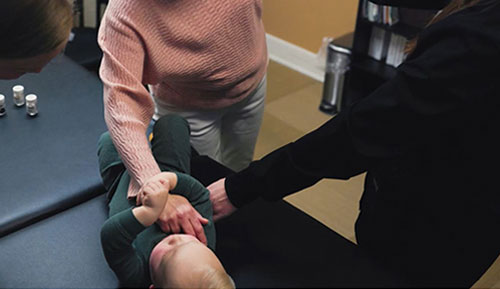
A gentle, hands-on therapy for infants and children designed to release fascial restrictions and support comfort, movement and whole-body balance.
Additional Modalities That May Be Considered
Depending on your child’s age, concerns and personalized starting point, one or more of these modalities may also be considered.

Personalized Nutrition
Individualized food and supplement recommendations based on your child’s nutritional needs, eating patterns, health concerns and stage of development.

Brain Integration Technique
A non-invasive approach designed to support communication between different areas of the brain, helping with focus, learning, memory and cognitive function.

Myo Munchee
A simple chew-training appliance designed to encourage healthy oral function, nasal breathing, proper swallowing and facial development.

Chiropractic Care
Gentle, age-appropriate chiropractic care designed to support alignment, ease physical tension and encourage comfortable movement and healthy nervous system function.

Remote Nutritional Care
Provides individualized nutritional guidance, personalized recommendations and continued support for women who are unable to visit The Well in person.
You will not be expected to sort through these options or choose a modality on your own. Our team will help you identify a practical place to begin based on your child’s needs, comfort level and your family’s goals.
YOUR NEXT STEP
You Do Not Need to Have Everything Figured Out
You may have noticed one concern or several patterns involving your child’s feeding, sleep, focus, digestion, sensory comfort, movement or development. You may also know that something does not feel quite right without being able to explain exactly why.
Share what you have observed, how long it has been happening and the kind of support you are hoping to find. Our team will review your information and help you identify a personalized place to begin. You do not need to choose a modality for your child before reaching out.