
Children’s Health & Developmental Conditions
Every Child’s Health and Development Tell a Unique Story
A diagnosis or developmental concern can provide important answers, but it may not fully explain how your child experiences learning, movement, communication, feeding, sleep, behavior or everyday routines. We look at the broader patterns affecting your child’s health, development and daily life.
At The Well, we come alongside families, pediatricians, therapists, educators and other professionals with personalized wellness support that complements your child’s existing medical, developmental, therapeutic and educational care.
SUPPORT THAT COMPLEMENTS THEIR CARE
Your Child’s Diagnosis Is Part of the Story
Two children with the same diagnosis or developmental concern may have very different needs. Learning, communication, movement, feeding, sleep, behavior, nutrition and everyday routines can all be affected in different ways. Your child’s strengths, challenges, health history and current care help us understand their individual experience.
The Well does not diagnose or treat children’s health or developmental conditions. We consider how these concerns may be affecting the whole child and identify supportive modalities that may complement care from pediatricians, specialists, therapists, educators and other professionals.
EXPLORE CHILDREN’S HEALTH & DEVELOPMENTAL CONDITIONS
Find the Condition or Concern Your Child Is Navigating
Children’s health and developmental needs can affect learning, communication, movement, feeding, sleep, behavior and everyday family life in different ways. The conditions below are grouped to make the page easier to explore. Open each section to learn more about the condition and the broader areas we may consider when supporting your child alongside their existing care.
Attention, Learning & Communication
Attention-Deficit/Hyperactivity Disorder (ADHD)
ADHD is a neurodevelopmental condition that may affect attention, impulse control, activity levels and everyday functioning. Each child’s strengths and challenges are different. We may consider nutrition, sleep, stress, daily routines and other patterns that influence overall wellness. Our support complements, but does not replace, care from pediatricians, behavioral health professionals, therapists or school-based specialists.
Autism Spectrum Disorder
Autism spectrum disorder can affect communication, social interaction, learning, behavior and the way a child experiences the world. Abilities and support needs vary greatly from one child to another. We may consider nutrition, digestion, sleep, feeding patterns and physical comfort as part of the whole picture. Our modalities do not replace developmental evaluation, behavioral care, therapy or educational support.
Specific Learning Disorders
Specific learning disorders can affect skills such as reading, writing or mathematics, even when a child has had appropriate opportunities to learn. Every child’s learning profile is different. We may consider sleep, nutrition, focus, stress and overall wellness alongside the child’s established care. Our role is complementary and does not replace educational evaluations, individualized instruction or support from qualified learning specialists.
Developmental Language Disorder
Developmental language disorder can affect how a child understands, uses and organizes spoken or written language. It may influence communication, learning and participation at home or school. We may consider nutrition, sleep, focus and broader wellness patterns while respecting recommendations from the child’s care team. Evaluation and treatment should remain guided by a qualified speech-language pathologist and other appropriate professionals.
Digestion & Elimination
Pediatric GERD
Pediatric gastroesophageal reflux disease, or GERD, occurs when recurring reflux causes troublesome symptoms or complications. A child’s experience may include discomfort, feeding concerns, disrupted sleep or other digestive symptoms. We may consider nutrition, eating patterns, digestion and daily routines as part of the broader picture. Medical evaluation and treatment from the child’s pediatrician or gastroenterologist remain essential.
Chronic Constipation
Chronic constipation may involve infrequent bowel movements, hard stools, discomfort or difficulty passing stool. Normal bowel patterns vary among children, and persistent constipation may have several contributing factors. We may consider nutrition, hydration, movement, bathroom routines and digestive wellness. Our support complements medical evaluation and any treatment recommendations provided by the child’s pediatrician or gastroenterologist.
Enuresis (Bedwetting)
Bedwetting is common during early childhood and is not something a child does intentionally. When it continues beyond the expected developmental stage or begins again after a period of dry nights, medical evaluation may be helpful. We may consider sleep, bowel patterns, hydration and daily routines as part of the broader picture while supporting the care recommended by the child’s pediatrician or other qualified provider.
Immune, Respiratory & Skin Conditions
Recurrent Otitis Media (Ear Infections)
Otitis media affects the middle ear and may involve pain, pressure, fluid buildup or recurring infections. Frequent episodes can also affect sleep, comfort and, in some cases, hearing. We may consider nutrition, immune wellness, illness patterns and recovery as part of the child’s broader experience. Ear infections require appropriate evaluation and treatment from a pediatrician or ear, nose and throat specialist.
Childhood Asthma
Asthma is a chronic condition affecting the airways that can cause coughing, wheezing, chest tightness or difficulty breathing. Symptoms and triggers differ among children and require appropriate medical management. We may consider nutrition, sleep, environmental patterns and overall wellness while working alongside the child’s established asthma care. Our modalities do not replace prescribed medications, medical monitoring or an asthma action plan.
Atopic Dermatitis (Eczema)
Atopic dermatitis is a chronic inflammatory skin condition that can cause dry, itchy or irritated skin and periods of increased symptoms. It may also disrupt sleep and affect a child’s comfort. We may consider nutrition, environmental patterns, digestion, sleep and overall wellness while respecting the child’s current skin-care plan. Medical care from a pediatrician, dermatologist or allergist should continue as recommended.
Movement, Feeding & Oral Function
Torticollis
Torticollis causes a child to hold the head or neck in a tilted or turned position and may affect movement, comfort or physical symmetry. The underlying reason and appropriate treatment can vary. We may consider mobility, fascial tension, feeding and whole-body comfort alongside the child’s established care. Pediatric evaluation and any recommended physical therapy or specialist care should continue.
Ankyloglossia (Tongue-Tie)
Ankyloglossia occurs when the tissue beneath the tongue restricts its movement. Some children experience feeding or oral-function concerns, while others have few or no difficulties. A coordinated evaluation can help determine whether the tongue-tie is affecting function. We may consider feeding patterns, oral tension and physical comfort while coming alongside pediatricians, lactation professionals, feeding therapists, speech-language pathologists and other specialists involved in the child’s care.
Don’t See Your Child’s Condition or Concern Listed?
The conditions and developmental concerns shown above are only a starting point. If you do not see what your child is navigating, share a little about their diagnosis, current care and the challenges affecting everyday life. Our team can review the information and help determine whether The Well’s complementary approach may be an appropriate fit.
LOOKING BEYOND THE DIAGNOSIS
Children’s Health and Development Are Closely Connected
A diagnosis may identify one area of concern, but it does not always explain how that concern affects the rest of your child’s life. To understand their individual experience, we consider the broader patterns that may influence their health, development, comfort and everyday routines.
Nutrition, Feeding & Digestion
Eating preferences, feeding challenges, digestive comfort, hydration and nutrient needs may affect how a child feels and functions throughout the day.
Sleep & Daily Rhythms
Sleep quality and consistent routines may influence energy, attention, mood, behavior, learning and the ability to manage everyday demands.
Learning, Communication & Sensory Needs
Children may process information, communicate and respond to their surroundings in different ways. Understanding these patterns helps us respect each child’s strengths and individual needs.
Movement, Posture & Physical Comfort
Mobility, muscle tension, posture, oral function and physical restrictions may influence comfort, coordination, feeding and participation in everyday activities.

Emotional Well-Being & Family Life
Health and developmental concerns may affect confidence, emotional regulation, relationships and family routines. We consider the experience of both the child and the people caring for them.

Medical, Therapeutic & Educational Care
Diagnoses, medications, evaluations, school accommodations and care from pediatricians, specialists, therapists and educators all help shape an appropriate and coordinated approach.
Considering these areas helps us understand how a condition or developmental concern is affecting the whole child. It does not determine the cause or replace medical, developmental, therapeutic or educational evaluation and care. Our role is to come alongside your family and your child’s existing care team with personalized support.
Still Trying to Understand Your Child’s Symptoms?
If your child has not received a diagnosis or you are still trying to understand concerns involving development, learning, communication, feeding, sleep, digestion, behavior or physical comfort, explore our Children’s Health & Development symptoms page. It can help you recognize broader patterns and learn how The Well may support your child alongside their existing care.
A PERSONALIZED APPROACH
We Start by Listening to the Whole Story
Digestive symptoms can be frustrating, especially when they change from day to day or do not seem to follow an obvious pattern. At The Well, your first step is not choosing from a list of modalities. Our process begins with understanding what you have been experiencing and how it is affecting your everyday life.
1. Understand What You Are Experiencing
We take time to learn how your symptoms appear, when they tend to occur and whether you have noticed patterns involving certain foods, meals or routines. We may also discuss bowel habits, appetite, health history, medications, current medical care and your goals. You do not need to arrive with perfect records or an explanation for what is happening.
2. Explore Relevant Areas of Support
Using the information you share and any appropriate assessments, we consider patterns that may be relevant to your digestive wellness. This may include nutrition, eating habits, hydration, stress and daily routines. We then consider which modalities may offer meaningful support and how they can complement care you are already receiving from your healthcare providers.
3. Create a Personalized Starting Point
You will not be expected to determine which modality you need on your own. Our team will help you identify a practical starting point based on your concerns, goals and comfort level. Your plan may begin with one modality or include several forms of support over time, with recommendations adjusted as your needs change.

Our goal is to come alongside you and your healthcare providers with support that complements your existing care and reflects your digestive concerns, health history and personal wellness goals.
A PERSONALIZED APPROACH
We Come Alongside Your Family and Your Child’s Care Team
Every child brings a unique combination of strengths, needs, experiences and existing support. We take time to understand the complete picture before considering where our complementary approach may fit.
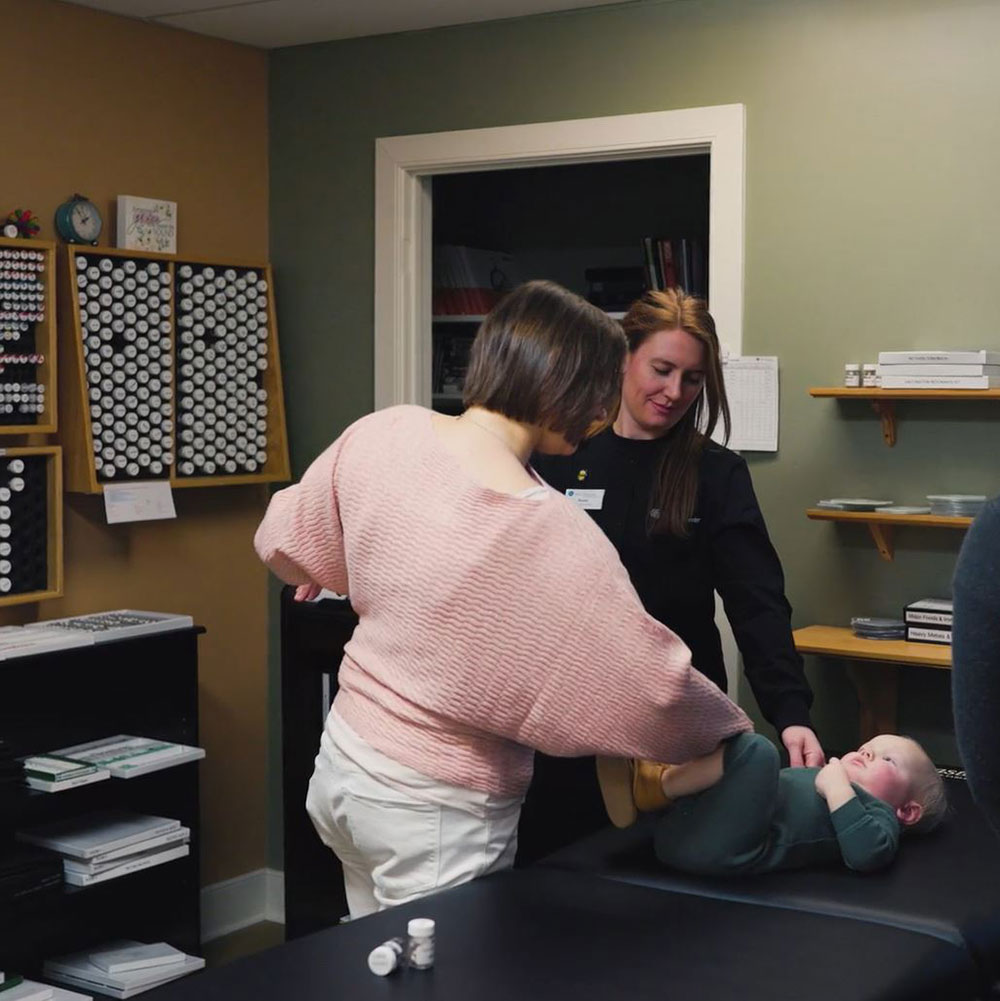
1. Understand Your Child’s Diagnosis and Current Care
We begin by learning about your child’s diagnosis or developmental concerns, health history, current providers, medications, therapies, educational support and any recommendations or restrictions already in place. This helps us understand the care your child is receiving and how we can support it appropriately.
2. Understand How It Is Affecting Your Child
We listen to what you have noticed about learning, communication, feeding, digestion, sleep, movement, behavior, emotional well-being and everyday routines. We also consider your child’s strengths, preferences and the areas in which your family would most like support.
3. Identify Complementary Support
Based on your child’s individual needs and existing care, we consider which supportive modalities may offer an appropriate place to begin. Recommendations are personalized and designed to complement the work of pediatricians, specialists, therapists, educators and other professionals.
Our goal is to come alongside your family and your child’s care team with thoughtful support that respects their diagnosis, individual needs and current plan of care.
MODALITIES THAT MAY SUPPORT YOUR CHILD
Personalized Support for Your Child’s Individual Needs
A diagnosis or developmental concern does not automatically mean that your child needs a particular modality. Recommendations are based on their age, individual needs, current care and the areas in which your family is seeking support.
These two modalities offer supportive starting points for exploring physical comfort, movement, learning and cognitive function based on your child’s individual needs.

Craniosacral Fascial Therapy
A gentle, hands-on modality that may support fascial mobility, physical comfort and whole-body balance in infants and children. It may be considered when tension, restricted movement, feeding concerns or physical discomfort are part of the broader picture.

Brain Integration Technique
A non-invasive modality designed to support communication between different areas of the brain. It may be considered when concerns involving attention, learning, memory, coordination or cognitive processing are affecting a child’s everyday experience.
Additional Modalities That May Be Considered
Depending on your child’s age, individual needs, current concerns and personalized starting point, one or more of these modalities may also be considered.
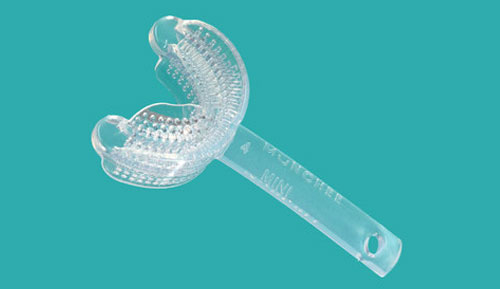
Myo Munchee
A soft chew-training appliance designed to exercise the muscles of the lips, face and jaw while encouraging healthier oral habits. It may support chewing, swallowing patterns, tongue position, nasal breathing and overall oral function when used as recommended.
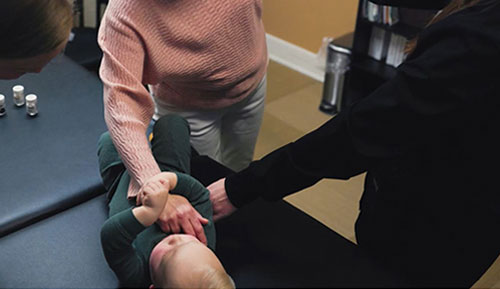
Muscle Response Testing
A non-invasive assessment method that may help identify areas of stress and guide individualized nutritional and wellness recommendations for your child.

Personalized Nutrition
Individualized nutrition and supplement recommendations based on your child’s needs, eating patterns, health concerns and wellness goals.

Remote Nutritional Care
Personalized nutritional guidance and ongoing support for children and families who cannot visit The Well in person.
You will not be expected to determine which modality your child needs. Our team will consider their age, concerns, comfort level and current care before helping your family identify an appropriate place to begin. The Well’s modalities complement and do not replace care from pediatricians, specialists, therapists, educators or other qualified professionals.
YOUR NEXT STEP
You Do Not Need to Navigate This Alone
Your child may have an established diagnosis, several overlapping concerns or changes that you are still trying to understand. You do not need to determine which modality they need before contacting us.
Share a little about your child, what you have noticed and the care or support they are already receiving. Our team will review the information and help your family identify an appropriate place to begin.