
WOMEN’S REPRODUCTIVE & PELVIC HEALTH CONDITIONS
Women’s Health Conditions Can Affect Every Stage of Life
Receiving a diagnosis can provide clarity, but it may also leave questions about menstrual changes, fertility, pregnancy, pelvic comfort, intimate wellness or menopause. These concerns can affect daily comfort, confidence, energy and quality of life in different ways.
At The Well, we take time to understand how your condition is affecting you as a whole. We come alongside you and your healthcare providers with personalized wellness support designed to complement, not replace, medical evaluation, testing, treatment or ongoing care.
SUPPORT THAT COMPLEMENTS YOUR CARE
Your Diagnosis Is Part of the Story
A diagnosis can provide important context, but it does not fully describe how a condition affects you. Two women with the same diagnosis may experience very different symptoms, levels of discomfort, menstrual changes, fertility concerns or daily limitations. Life stage, health history and current treatment can also shape each person’s experience.
We look beyond the name of the condition to understand your symptoms, current care, personal goals and how these concerns affect your everyday life. This helps us consider how complementary wellness support may fit appropriately alongside the care you are already receiving.
EXPLORE WOMEN’S REPRODUCTIVE & PELVIC HEALTH CONDITIONS
Find the Condition You Are Navigating
The conditions and concerns below are grouped to make the page easier to explore. Open any topic to learn more about it, the broader areas The Well may consider and how personalized support may complement the care you are already receiving.
Menstrual, Hormonal & Uterine Conditions
PMS & PMDD
Premenstrual syndrome can involve recurring physical and emotional changes before a menstrual period. Premenstrual dysphoric disorder is a more severe condition that can significantly affect mood, relationships and daily functioning. The Well may consider nutrition, sleep, stress and symptom patterns as part of the broader picture. Supportive modalities complement, but do not replace, care from an obstetrician-gynecologist or qualified mental health provider.
Irregular or Absent Periods
Menstrual cycles may become irregular or stop for many reasons, including hormonal changes, pregnancy, life stage, medications or health conditions. The pattern alone cannot identify the cause, so new or persistent changes should be medically evaluated. The Well may consider nutrition, stress, sleep, energy and health history while providing support that complements appropriate testing, monitoring and treatment.
Polycystic Ovary Syndrome
Polycystic ovary syndrome, or PCOS, is a hormonal and metabolic condition that may affect menstrual cycles, ovulation, fertility, skin, hair growth and blood sugar regulation. Symptoms and treatment needs vary considerably. The Well may consider nutrition, metabolic wellness, sleep, stress and individual goals. Complementary support does not replace laboratory testing, medication management or ongoing care from an obstetrician-gynecologist, endocrinologist or fertility specialist.
Endometriosis
Endometriosis occurs when tissue similar to the uterine lining grows outside the uterus. It may be associated with pelvic pain, painful periods, discomfort during intimacy or fertility challenges, although experiences vary. The Well may consider nutrition, stress, sleep, physical comfort and recovery. Supportive modalities do not remove endometrial lesions or replace gynecologic evaluation, medication, surgery or fertility care.
Adenomyosis
Adenomyosis occurs when tissue from the uterine lining grows into the muscular wall of the uterus. It may be associated with heavy bleeding, painful periods, pelvic pressure or ongoing discomfort. The Well may consider nutrition, energy, stress, recovery and how symptoms affect daily life. Complementary support does not replace gynecologic evaluation, imaging, medication or surgical recommendations.
Uterine Fibroids
Uterine fibroids are noncancerous growths that can vary in size, number and location. Some women have no symptoms, while others experience heavy bleeding, pelvic pressure, discomfort, urinary changes or fertility concerns. The Well may consider nutrition, energy, stress and physical comfort. Supportive modalities complement medical monitoring and do not replace imaging, medication, procedures or surgery when recommended.
Ovarian Cysts
Ovarian cysts are fluid-filled sacs that form in or on an ovary. Many resolve without treatment, while others may require monitoring or medical care depending on their type, size and symptoms. The Well may consider nutrition, stress, cycle patterns and overall wellness. Sudden or severe pelvic pain requires prompt medical evaluation, and complementary support does not replace imaging or gynecologic care.
Intimate & Breast Health Concerns
Vaginal Dryness & Discomfort
Vaginal dryness or irritation may be influenced by hormonal changes, pregnancy, breastfeeding, menopause, medications or other health concerns. The Well may consider life stage, hydration, stress, nutrition and pelvic comfort. Persistent burning, itching, bleeding or unusual discharge should be medically evaluated. Complementary support does not replace gynecologic assessment or prescribed treatment.
Pain During Intimacy
Pain during intimacy can have gynecologic, hormonal, pelvic floor, medical or emotional influences. Frequent or severe discomfort should be evaluated to identify conditions that may require treatment. The Well may consider pelvic tension, stress, life stage, physical comfort and broader wellness patterns. Supportive modalities complement care from a gynecologist, pelvic floor physical therapist or other qualified provider.
Low Libido
Changes in sexual desire may be influenced by stress, fatigue, hormonal transitions, medications, medical conditions, emotional well-being or relationship factors. The experience is personal and does not always indicate a disorder. The Well may consider sleep, stress, nutrition, energy and life stage while respecting the client’s comfort and goals. Complementary support does not replace medical or licensed mental health care when needed.
Fibrocystic Breast Concerns
Fibrocystic breast changes are common benign changes that may cause lumpiness, tenderness or swelling, often around the menstrual cycle. New breast lumps, nipple discharge, skin changes or persistent pain should be medically evaluated. The Well may consider cycle patterns, nutrition and general wellness. Thermal imaging and other complementary modalities do not replace mammography, ultrasound or screening recommended by a healthcare provider.
Fertility, Pregnancy & Life Stages
Fertility Challenges
Fertility challenges can involve many factors affecting one or both partners, and the appropriate evaluation is different for every person. The Well may consider nutrition, stress, sleep, cycle patterns and general wellness as part of a complementary approach. This support does not diagnose infertility or replace testing, medical treatment or guidance from an obstetrician-gynecologist, reproductive endocrinologist or fertility specialist.
Pregnancy & Postpartum Concerns
Pregnancy and the postpartum period bring changing nutritional, physical and emotional needs. The Well may consider nutrition, energy, sleep, stress, recovery and physical comfort while respecting the recommendations of the client’s prenatal or postpartum care team. All modalities are considered individually, and medical clearance may be required. Support from The Well does not replace prenatal care, postpartum evaluation or urgent medical attention when needed.
Perimenopause & Menopause
Perimenopause and menopause are natural life transitions, but associated changes in menstrual cycles, sleep, temperature regulation, mood, energy and intimate comfort can affect daily life. The Well may consider nutrition, stress, sleep, metabolic wellness and pelvic comfort. Complementary support does not replace medical evaluation, hormone management or recommended screening. New or unusual bleeding should always be discussed with a healthcare provider.
Pelvic Floor & Bladder Conditions
Pelvic Floor Dysfunction
Pelvic floor dysfunction can involve weakness, excessive tension or difficulty coordinating the muscles that support the bladder, bowel and reproductive organs. Symptoms may include pelvic pressure, bladder or bowel concerns, discomfort or changes in sexual function. The Well may consider movement, stress, physical tension and life stage. Supportive modalities complement evaluation and care from an obstetrician-gynecologist, urogynecologist or pelvic floor physical therapist.
Urinary Incontinence
Urinary incontinence means involuntary urine leakage and may occur with coughing, sneezing, exercise or a sudden urge to urinate. Different types of incontinence can have different causes and treatment needs. The Well may consider pelvic floor support, hydration, bowel patterns and life stage. Complementary modalities do not replace medical evaluation, pelvic floor physical therapy, medication or surgical recommendations.
Overactive Bladder
Overactive bladder commonly involves sudden urinary urgency, frequent urination, nighttime urination and sometimes leakage. Similar symptoms can also occur with infections or other conditions, making proper evaluation important. The Well may consider hydration, bowel patterns, stress, pelvic floor support and daily routines. Complementary care does not replace testing or treatment from a qualified healthcare provider.
Pelvic Organ Prolapse
Pelvic organ prolapse occurs when weakened muscles and supporting tissues allow one or more pelvic organs to descend from their normal position. Symptoms may include pelvic pressure, a vaginal bulge or changes in bladder or bowel function. The Well may consider pelvic support, movement and physical comfort. Complementary modalities do not reverse structural prolapse or replace evaluation, pelvic floor physical therapy, pessary care or surgical recommendations.
Bladder Pain Syndrome
Bladder pain syndrome, also called interstitial cystitis, may involve bladder or pelvic pain, pressure, urinary urgency and frequent urination. Symptoms vary and can overlap with other urinary or pelvic conditions. The Well may consider nutrition, stress, pelvic tension, hydration and daily patterns. Supportive modalities complement medical care and do not replace testing needed to rule out infections or other causes.
Recurring Urinary Tract Infections
Recurring urinary tract infections require appropriate medical evaluation and treatment. Symptoms may include burning, urgency, frequent urination or lower abdominal discomfort, but testing is needed to confirm an infection. The Well does not diagnose or treat UTIs. After appropriate medical care is established, the team may consider hydration, nutrition, bowel habits and life-stage changes as part of broader wellness support.
Don’t See Your Condition Listed?
This page includes many common reproductive, pelvic, bladder and intimate health concerns, but it is not a complete list. Tell us what you are navigating, how it is affecting you and what care you are currently receiving. Our team will review your information and help determine whether The Well’s complementary approach may be an appropriate fit.
LOOKING BEYOND THE DIAGNOSIS
These Conditions Can Affect More Than One Area of Life
A diagnosis can help name what you are navigating, but it may not fully capture how the condition affects your comfort, energy, confidence, relationships and daily routines. To understand your individual experience, we consider several areas that may be relevant without assuming that any one of them caused the condition.
Menstrual Patterns & Hormonal Changes
We consider cycle regularity, changes in flow, menstrual discomfort and symptoms that fluctuate throughout the month. Puberty, pregnancy, postpartum recovery, perimenopause and menopause may also shape what someone is experiencing.
Fertility, Pregnancy & Postpartum
Fertility goals, pregnancy history, physical changes and postpartum recovery can all influence a woman’s current needs. We also account for care from obstetricians, fertility specialists and other healthcare providers, along with any medical recommendations or restrictions.
Pelvic Floor, Bladder & Bowel Function
Pelvic pressure, urinary urgency, leakage, constipation and bowel concerns may overlap with pelvic floor symptoms. We consider how these concerns affect movement, exercise, sleep and everyday activities while respecting any medical or pelvic floor therapy already in place.
Intimate Comfort & Sexual Wellness
Dryness, discomfort, changes in sensation, pain during intimacy and changes in libido can affect physical comfort, confidence and relationships. These concerns are approached with privacy, sensitivity and respect for each person’s comfort level.
Nutrition, Energy, Sleep & Stress
Changes in appetite, digestion, energy, sleep and stress may add to the challenges of navigating a reproductive or pelvic health condition. These areas are considered as part of the broader wellness picture, not as assumed causes of the diagnosis.
Medical Treatment & Current Care
We account for medications, hormone therapy, fertility treatment, surgeries, pelvic floor therapy, medical monitoring and recommendations from gynecologists, urogynecologists and other specialists. This helps us identify support that fits appropriately alongside existing care.
Considering these areas helps us understand how the condition is affecting the whole person. It does not determine what caused the condition or replace medical evaluation, testing or treatment. Our role is to come alongside you and your healthcare providers with support that respects your existing care.
Still Trying to Understand the Changes You Are Experiencing?
If you have not received a diagnosis or are still trying to understand concerns such as irregular cycles, temperature changes, fertility concerns, pelvic discomfort, changes in libido or shifts in energy and appetite, begin with our Hormones & Metabolism symptoms guide. It can help you explore the broader patterns and learn how The Well may support your next step.
A PERSONALIZED APPROACH
We Start by Listening to the Whole Story
Digestive symptoms can be frustrating, especially when they change from day to day or do not seem to follow an obvious pattern. At The Well, your first step is not choosing from a list of modalities. Our process begins with understanding what you have been experiencing and how it is affecting your everyday life.
1. Understand What You Are Experiencing
We take time to learn how your symptoms appear, when they tend to occur and whether you have noticed patterns involving certain foods, meals or routines. We may also discuss bowel habits, appetite, health history, medications, current medical care and your goals. You do not need to arrive with perfect records or an explanation for what is happening.
2. Explore Relevant Areas of Support
Using the information you share and any appropriate assessments, we consider patterns that may be relevant to your digestive wellness. This may include nutrition, eating habits, hydration, stress and daily routines. We then consider which modalities may offer meaningful support and how they can complement care you are already receiving from your healthcare providers.
3. Create a Personalized Starting Point
You will not be expected to determine which modality you need on your own. Our team will help you identify a practical starting point based on your concerns, goals and comfort level. Your plan may begin with one modality or include several forms of support over time, with recommendations adjusted as your needs change.
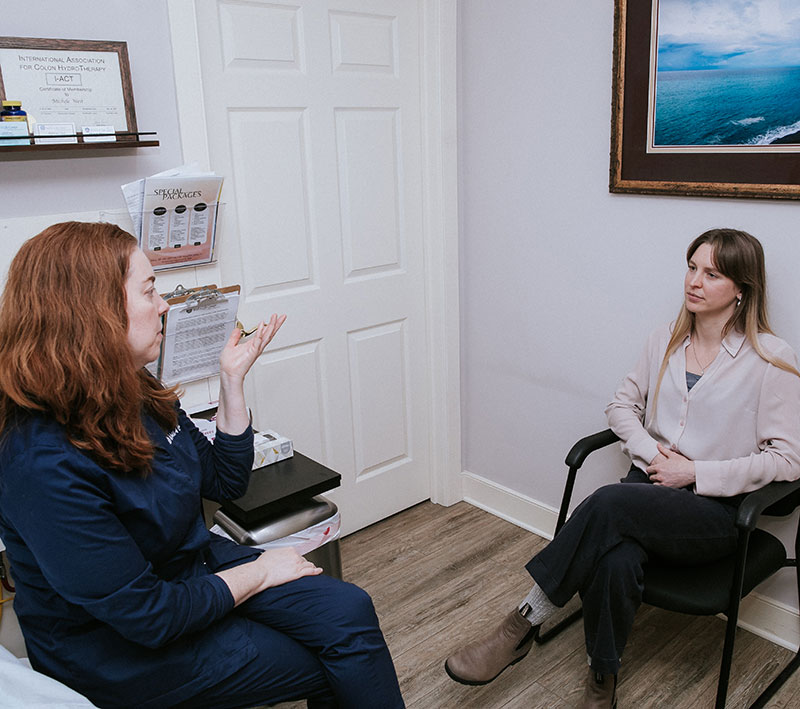
Our goal is to come alongside you and your healthcare providers with support that complements your existing care and reflects your digestive concerns, health history and personal wellness goals.
A PERSONALIZED APPROACH
We Come Alongside You and Your Healthcare Providers
Women’s reproductive and pelvic health concerns can be deeply personal, and the right support will not look the same for everyone. We begin by understanding your diagnosis, how it is affecting your life and the care you are already receiving.
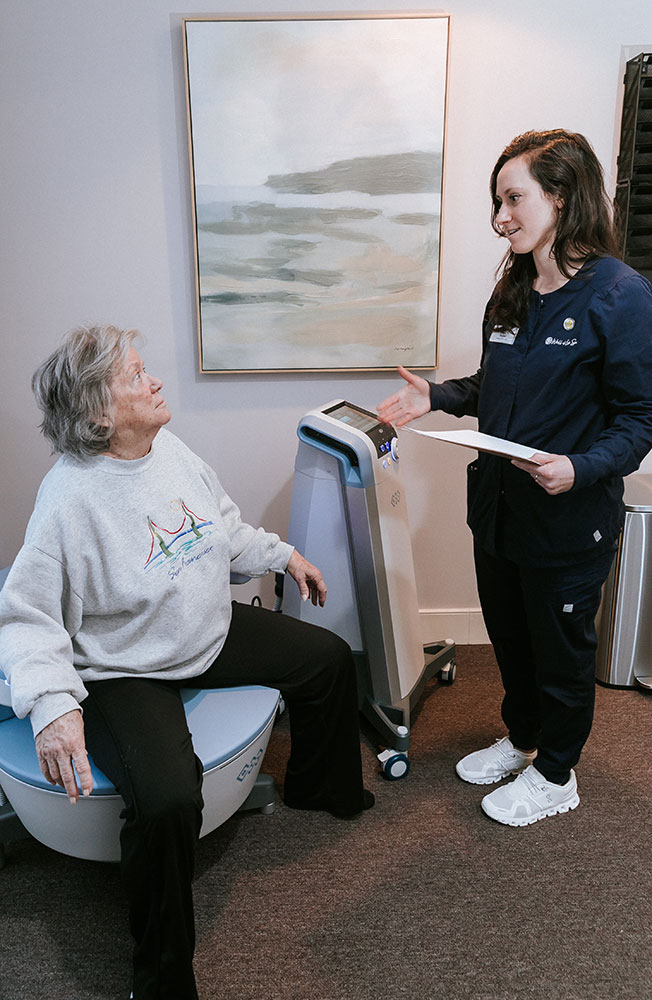
1. Understand Your Diagnosis and Current Care
We learn about your diagnosis, health history, current providers and treatment plan. This may include medications, hormone therapy, fertility treatment, pregnancy or postpartum care, pelvic floor therapy, previous procedures and any medical recommendations or restrictions.
2. Understand How It Is Affecting You
We take time to explore the symptoms and changes you have noticed, including menstrual patterns, pelvic or intimate discomfort, bladder concerns, fertility needs, energy, sleep and emotional well-being. We also consider how these concerns affect your daily activities, confidence, relationships and quality of life.
3. Identify Complementary Support
Based on your individual needs, goals and existing care, we consider which supportive modalities may be appropriate. You will not be expected to determine which modality you need or navigate your options alone.
Our goal is to come alongside you and your healthcare providers with personalized support that complements your existing care, respects your comfort level and reflects the full story of what you are experiencing.
MODALITIES THAT MAY SUPPORT YOU
Personalized Support for Comfort and Movement
Having a diagnosis does not automatically mean that a particular modality is appropriate for you. Recommendations depend on your symptoms, life stage, health history, current treatment and personal goals. Some modalities require additional screening or medical clearance, particularly during pregnancy, postpartum recovery, active treatment or recovery from a recent procedure.
These two pathways provide a focused starting point for exploring pelvic floor function, intimate comfort and personalized support through different stages of life.

Women’s Intimate Health
Personalized support designed to promote pelvic comfort, intimate wellness and greater confidence through different stages of life. Your symptoms, diagnosis, comfort level and current medical care will help determine whether this is an appropriate place to begin.
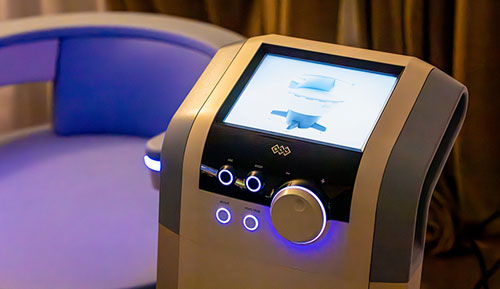
Pelvic Floor & Intimate Wellness at Well EmSpa
Well EmSpa offers advanced, non-invasive technologies designed to support pelvic floor strength, urinary leakage concerns, intimate comfort and renewed confidence. A personalized consultation and appropriate screening help determine which options may complement your current medical or pelvic floor care.
Additional Modalities That May Be Considered
Depending on your concerns, current care and personalized starting point, one or more of these modalities may also be considered.

Fertility & Prenatal Care
Individualized wellness support that comes alongside care from fertility specialists, obstetric providers and other members of your healthcare team. Recommendations are tailored to your current stage, whether you are preparing for pregnancy, currently pregnant or navigating postpartum recovery.
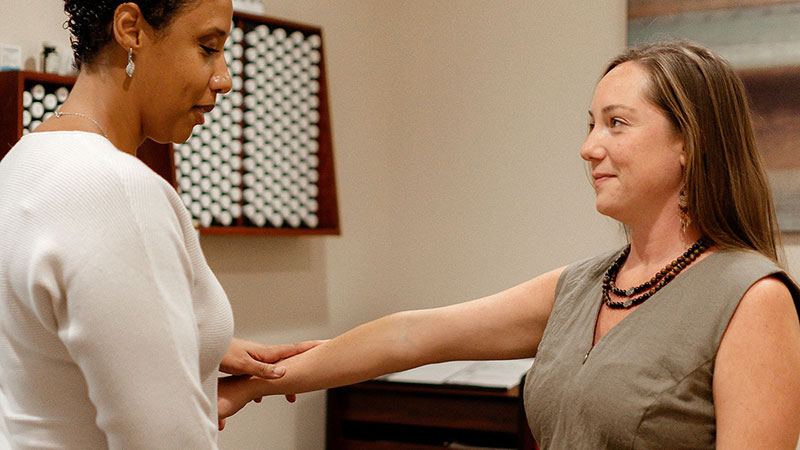
Muscle Response Testing
A non-invasive assessment method that may help explore patterns of stress and guide individualized nutritional recommendations. It does not diagnose reproductive, hormonal or pelvic health conditions.

Personalized Nutrition
Customized nutrition and supplement recommendations based on your individual needs, health concerns and goals. Existing medical guidance, medications, fertility treatment and pregnancy-related needs are considered when developing recommendations.
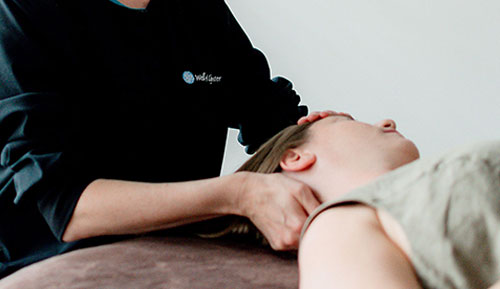
Craniosacral Fascial Therapy
A gentle, hands-on modality that may support comfort, mobility and the release of fascial tension when physical restrictions or changes following pregnancy and childbirth are part of the broader picture.
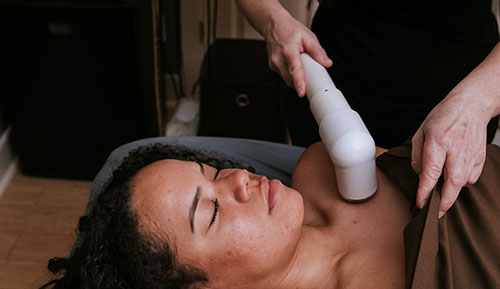
Electro-Lymphatic Therapy
A gentle, non-invasive modality that may support healthy lymphatic flow and fluid movement when swelling, puffiness or feelings of heaviness are among the concerns being considered.
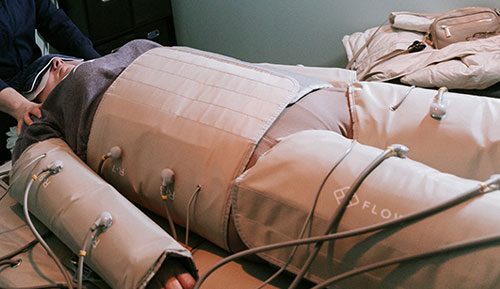
Flowpresso
A relaxing full-body modality that combines gentle compression, warmth and deep pressure to support relaxation, lymphatic flow and nervous system balance. Appropriate screening and medical clearance may be required.

Remote Nutritional Care
Personalized nutritional guidance and continued support for clients who cannot visit The Well in person. Recommendations can be coordinated with existing medical guidance and adjusted as individual needs change.
These modalities are not a checklist, and you will not be expected to choose from them alone. Our team will consider your diagnosis, life stage, current treatment and personal goals before helping you identify an appropriate place to begin. Do not discontinue or adjust medications, hormone therapy, fertility treatment, supplements or other medical care without consulting the appropriate healthcare provider.
YOUR NEXT STEP
You Do Not Need to Navigate This Alone
You may be living with a diagnosis, experiencing several overlapping concerns or still trying to understand changes in your body. Wherever you are in the process, you do not need to know which modality you need before reaching out.
Share what you are navigating, how it is affecting you and what care you are currently receiving. You are welcome to share only what you feel comfortable providing. Our team will review your information and help you identify an appropriate place to begin based on your needs, goals and existing care.