
Chronic & Complex Health Conditions
Complex Health Conditions Do Not Always Follow a Simple Path
Living with a chronic or complex condition can mean balancing persistent symptoms, multiple diagnoses, treatments and healthcare providers while still searching for ways to feel better day to day. A diagnosis may explain part of what you are experiencing without fully showing how it affects your energy, sleep, digestion, mobility, mood or everyday life.
At The Well, we take time to understand the full picture and come alongside you and your healthcare providers with personalized wellness support. Our modalities complement, but do not replace, medical evaluation, treatment, medication management or ongoing monitoring.
SUPPORT THAT COMPLEMENTS YOUR CARE
Your Diagnosis Is Part of the Story
Two people with the same diagnosis may experience very different symptoms, limitations and day-to-day challenges. When several conditions, treatments or body systems are involved, the picture can become even more complex. Your health history, current care, medications, energy, digestion, sleep, stress and physical comfort all help us understand your individual experience.
The Well does not diagnose or treat chronic or complex medical conditions. We consider how your health concerns are affecting the whole person and identify supportive modalities that may complement the care you receive from physicians, specialists and other qualified healthcare providers.
EXPLORE Chronic & Complex Health Concerns
Find the Condition You Are Navigating
Chronic and complex conditions can involve several body systems, symptoms and healthcare providers at once. The conditions below are grouped to make the page easier to explore. Open each section for a brief overview and to learn about the broader areas The Well may consider when providing complementary wellness support.
Post-Infectious & Energy-Limiting Conditions
Long COVID
Long COVID is a chronic condition that can develop after a COVID-19 infection and may affect one or more body systems. Experiences vary, but concerns may include fatigue, difficulty concentrating, disrupted sleep, shortness of breath, pain or symptoms that worsen after exertion. We may consider nutrition, digestion, sleep and daily recovery patterns while respecting the care plan established by the client’s healthcare providers.
Myalgic Encephalomyelitis/Chronic Fatigue Syndrome (ME/CFS)
ME/CFS is a serious, long-lasting illness that may involve profound fatigue, unrefreshing sleep, cognitive difficulties, pain and symptoms that worsen after physical or mental effort. We may consider nutrition, sleep, stress, digestion and daily energy patterns while respecting the individual’s limitations. Support must complement medical care and should never encourage someone to push beyond activity levels recommended by their healthcare provider.
Lyme Disease
Lyme disease is a bacterial infection transmitted through the bite of an infected blacklegged tick. Some people continue to experience fatigue, body aches or cognitive concerns after completing recommended medical treatment. We may consider nutrition, digestion, sleep, energy and recovery as part of the broader picture. Diagnosis and treatment must remain under the direction of a qualified medical provider, and persistent symptoms should not automatically be assumed to represent an ongoing infection.
Autonomic, Mast Cell & Connective Tissue Conditions
Postural Orthostatic Tachycardia Syndrome (POTS)
POTS affects how the body regulates blood flow and heart rate when moving into an upright position. Symptoms may include dizziness, rapid heartbeat, weakness, fatigue, digestive concerns, headaches or difficulty concentrating. We may consider nutrition, hydration patterns, sleep and digestive wellness while following any guidance provided by the client’s cardiologist, neurologist or other specialist. Our modalities do not replace autonomic testing, medication or medical monitoring.
Mast Cell Activation Syndrome (MCAS)
Mast cell activation syndrome involves recurring episodes of symptoms affecting more than one body system, potentially including the skin, digestion, breathing or cardiovascular function. Symptoms, triggers and treatment needs vary considerably. We may consider nutrition, digestion, environmental patterns and general wellness while respecting the client’s established care. Diagnosis and treatment should remain guided by an allergist, immunologist or another provider experienced with mast cell disorders.
Ehlers-Danlos Syndromes
Ehlers-Danlos syndromes are a group of inherited connective tissue disorders that may affect joints, skin, blood vessels and other parts of the body. Needs vary by type and may include joint instability, pain, fatigue or digestive concerns. We may consider nutrition, physical comfort, movement patterns and digestive wellness while carefully respecting medical restrictions. Any hands-on modality must be considered individually and coordinated with appropriate medical or rehabilitation care.
Autoimmune & Inflammatory Conditions
Lupus
Lupus is a chronic autoimmune disease that can cause inflammation and affect several areas of the body, including the skin, joints, kidneys, heart, lungs, blood cells or nervous system. Symptoms and disease activity may change over time. We may consider nutrition, energy, sleep, digestion and stress as part of the whole-person experience. Ongoing care and monitoring from a rheumatologist and other specialists remain essential.
Sjögren’s Disease
Sjögren’s disease is an autoimmune condition commonly associated with dry eyes and dry mouth, but it may also affect joints, nerves, lungs, kidneys or other systems. Each person’s symptoms and treatment needs are different. We may consider nutrition, hydration patterns, digestion, energy and daily comfort while supporting the medical plan already in place. Continued care from a rheumatologist, ophthalmologist, dentist and other appropriate specialists is important.
Multiple Sclerosis
Multiple sclerosis is a chronic neurological disease in which immune activity damages the protective covering of nerves in the brain, spinal cord and optic nerves. Symptoms may affect vision, sensation, movement, balance, energy or cognitive function and can vary over time. We may consider nutrition, sleep, physical comfort, stress and daily routines while working alongside neurological care. Our modalities do not replace disease-modifying treatment, rehabilitation or medical monitoring.
Vasculitis
Vasculitis refers to a group of conditions involving inflammation within blood vessel walls. Different forms may affect different organs and can range considerably in severity. We may consider nutrition, energy, sleep, digestion and recovery as part of the person’s broader wellness experience. Because vasculitis can cause serious complications and may require immunosuppressive treatment and ongoing testing, all supportive care must remain secondary to guidance from the appropriate medical specialists.
Chronic Pain & Neurological Conditions
Fibromyalgia
Fibromyalgia is a chronic condition commonly associated with widespread pain, tenderness, fatigue, disrupted sleep and difficulty concentrating. The way it affects daily life differs from person to person. We may consider nutrition, sleep, stress, digestion, movement and nervous system regulation as part of the broader picture. Any supportive modalities should be selected according to the client’s comfort level and used alongside care from their healthcare providers.
Complex Regional Pain Syndrome (CRPS)
Complex regional pain syndrome is a chronic pain condition that often affects a limb after an injury, surgery or other physical event. Symptoms may include prolonged severe pain, sensitivity, swelling or changes in skin temperature, color or movement. We may consider physical comfort, sleep, stress and nervous system regulation while respecting the person’s medical and rehabilitation plan. Hands-on support requires careful screening and may not be appropriate for everyone.
Chronic Migraine
Chronic migraine involves frequent headache days that may be accompanied by nausea, sensitivity to light or sound, visual changes or other neurological symptoms. Triggers and treatment needs vary, and new or changing headaches require medical evaluation. We may consider nutrition, hydration patterns, sleep, stress, physical tension and daily routines as part of the broader picture. Support should complement care from a neurologist or other qualified provider.
Cancer & Survivorship
Cancer & Survivorship
Cancer and its treatment can affect nutrition, energy, digestion, sleep, physical comfort and emotional well-being during treatment and throughout survivorship. The Well may offer supportive wellness care only as part of a coordinated plan with the client’s oncology team. We do not diagnose, treat, prevent or cure cancer. Supplements, nutrition programs and hands-on modalities must be carefully reviewed because they may not be appropriate during certain treatments or stages of recovery.
Don’t See Your Condition Listed?
The conditions shown above represent some of the chronic and complex health concerns our clients may be navigating, but the list is not comprehensive. Share your diagnosis, current care and how the condition is affecting your daily life. Our team can review what you provide and help determine whether The Well’s complementary approach may be an appropriate fit alongside your existing medical care.
LOOKING BEYOND THE DIAGNOSIS
Complex Conditions Can Affect More Than One Area of Health
A diagnosis may explain an important part of your health story, but chronic and complex conditions can also affect energy, sleep, digestion, movement, emotional well-being and daily function. Understanding these overlapping effects helps us see the whole person without assuming that every concern has the same cause.

Energy, Activity & Recovery
Consider how fatigue, post-exertional symptoms, illness flares and changing energy levels affect work, movement, relationships and everyday responsibilities.

Nutrition, Digestion & Hydration
Explore appetite, food tolerances, digestive comfort, hydration and nutritional needs while respecting any dietary guidance or restrictions provided by the client’s healthcare team.

Pain, Movement & Physical Comfort
Consider the location and nature of discomfort, mobility limitations, physical sensitivity and the ways symptoms may affect posture, movement and daily activities.
Sleep, Stress & Nervous System Regulation
Explore how disrupted sleep, prolonged stress, cognitive concerns and difficulty fully resting may be affecting the person’s overall experience and ability to recover.

Immune, Inflammatory & Lymphatic Patterns
Consider recurring illness, sensitivities, swelling, fluid movement and inflammatory symptoms as part of the broader picture without assuming they share a single underlying cause.

Medical Treatment & Coordinated Care
Account for diagnoses, medications, procedures, treatment history, laboratory monitoring and guidance from primary care providers, specialists, rehabilitation professionals and other members of the care team.
Considering these areas helps us understand how chronic or complex conditions are affecting the whole person. It does not determine the cause of symptoms or replace medical evaluation, testing, treatment or monitoring. Our role is to come alongside you and your healthcare providers with support that respects your existing care.
Still Trying to Understand Chronic or Complex Symptoms?
If you have not received a diagnosis or are still trying to understand symptoms that linger, change, affect several areas of the body or seem difficult to connect, explore our Chronic & Complex Symptoms page. It can help you recognize broader patterns and learn how The Well may provide personalized support while you continue working with the appropriate healthcare providers.
A PERSONALIZED APPROACH
We Start by Listening to the Whole Story
Digestive symptoms can be frustrating, especially when they change from day to day or do not seem to follow an obvious pattern. At The Well, your first step is not choosing from a list of modalities. Our process begins with understanding what you have been experiencing and how it is affecting your everyday life.
1. Understand What You Are Experiencing
We take time to learn how your symptoms appear, when they tend to occur and whether you have noticed patterns involving certain foods, meals or routines. We may also discuss bowel habits, appetite, health history, medications, current medical care and your goals. You do not need to arrive with perfect records or an explanation for what is happening.
2. Explore Relevant Areas of Support
Using the information you share and any appropriate assessments, we consider patterns that may be relevant to your digestive wellness. This may include nutrition, eating habits, hydration, stress and daily routines. We then consider which modalities may offer meaningful support and how they can complement care you are already receiving from your healthcare providers.
3. Create a Personalized Starting Point
You will not be expected to determine which modality you need on your own. Our team will help you identify a practical starting point based on your concerns, goals and comfort level. Your plan may begin with one modality or include several forms of support over time, with recommendations adjusted as your needs change.
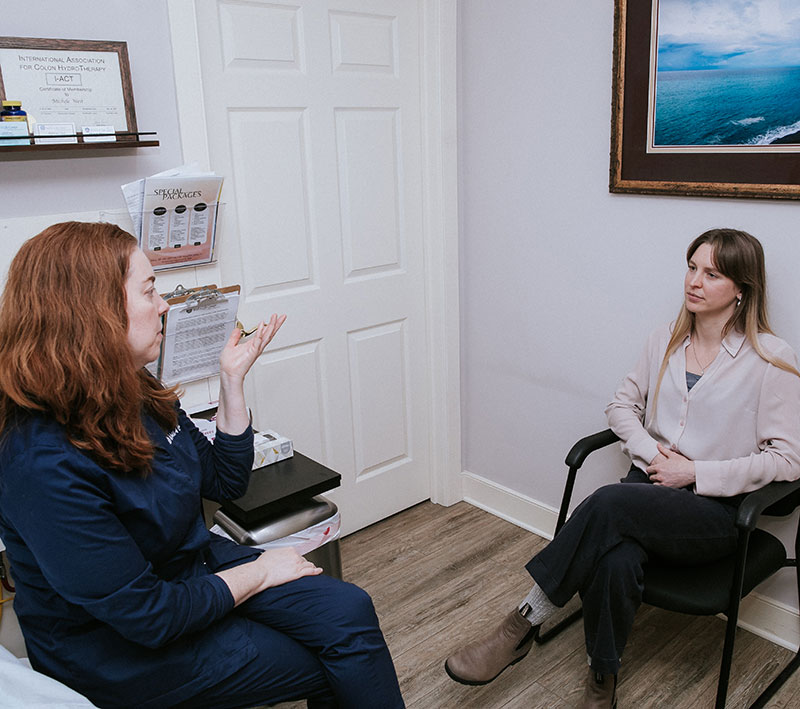
Our goal is to come alongside you and your healthcare providers with support that complements your existing care and reflects your digestive concerns, health history and personal wellness goals.
A PERSONALIZED APPROACH
We Come Alongside You and Your Healthcare Providers
Chronic and complex conditions often involve several symptoms, treatments and specialists. We take time to understand the full picture before considering where complementary wellness support may appropriately fit.
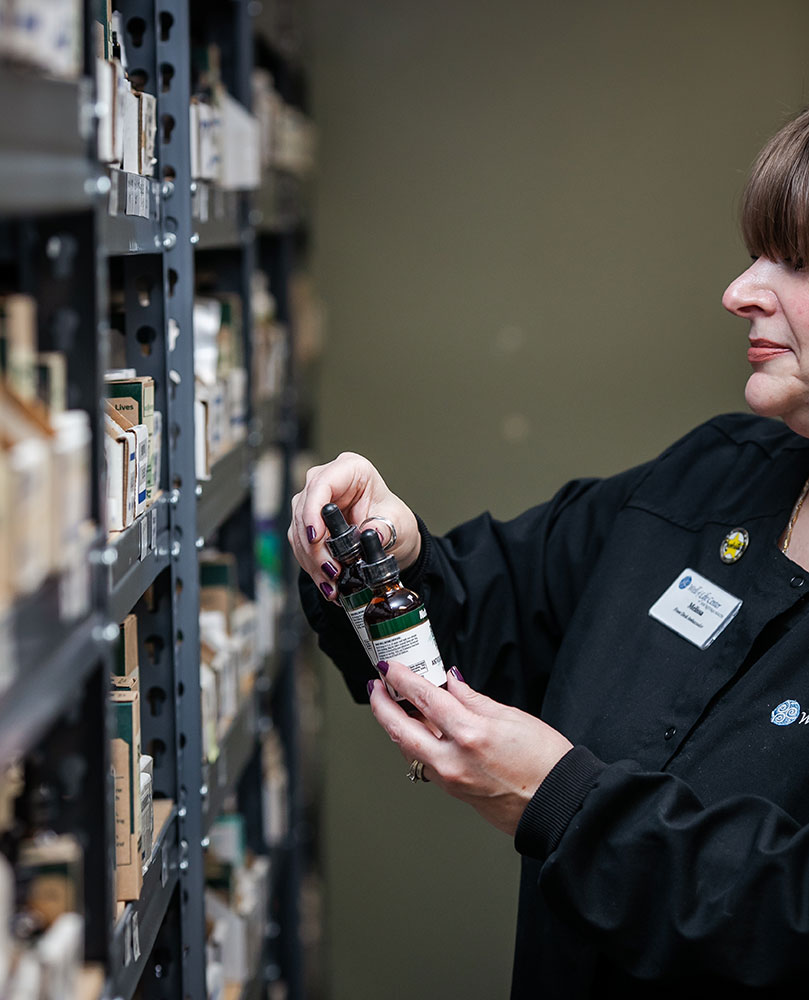
1. Understand Your Diagnosis and Current Care
We begin by learning about your diagnoses, health history, healthcare providers, medications, treatments, laboratory monitoring and any medical recommendations or restrictions. When several conditions are involved, we also consider how the different parts of your care plan work together.
2. Understand How Your Health Is Affecting You
We listen to how your concerns affect energy, sleep, digestion, movement, cognition, emotional well-being and daily life. We also consider symptom patterns, periods of improvement or worsening and the areas in which you would most like support.
3. Identify Complementary Support
Based on your individual needs and existing medical care, we consider which supportive modalities may offer an appropriate place to begin. Recommendations are personalized, carefully screened and designed to complement the treatment and monitoring provided by your healthcare team.
Our goal is to come alongside you and your healthcare providers with thoughtful support that respects the complexity of your health, your current treatment plan and your individual priorities.
MODALITIES THAT MAY SUPPORT YOU
Personalized Support for Complex Wellness Needs
Living with a chronic or complex condition does not automatically mean that any particular modality is appropriate. Every recommendation is considered in the context of your diagnoses, symptoms, medications, current treatment, medical restrictions, tolerance and personal goals.
Together, these modalities can provide a broad starting point for understanding your nutritional needs and developing personalized support that respects the complexity of your health.

Muscle Response Testing
A non-invasive assessment method that may help us explore areas of nutritional stress and guide individualized wellness recommendations. It does not diagnose medical conditions or replace laboratory testing.

Personalized Nutrition
Individualized food and supplement guidance designed around your nutritional needs, health concerns and current care. Recommendations take existing dietary restrictions, medications and provider guidance into consideration.
Additional Modalities That May Be Considered
Depending on your diagnoses, current symptoms, medical care and personalized starting point, one or more of these modalities may also be considered.
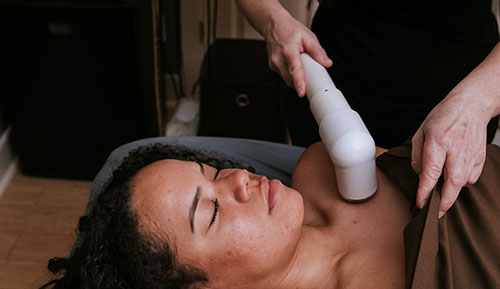
Electro-Lymphatic Therapy
A gentle, non-invasive therapy that may encourage healthy lymphatic flow, support fluid movement and ease feelings of swelling or heaviness when appropriate.
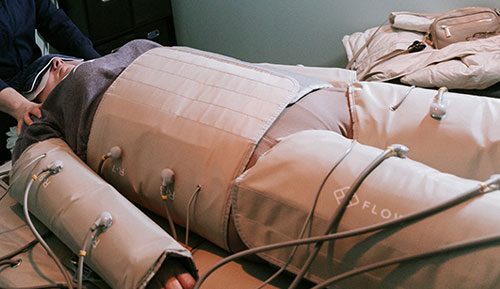
Flowpresso
A relaxing, full-body therapy that combines gentle compression, deep pressure and infrared warmth to support lymphatic flow, ease physical tension and help the nervous system settle.
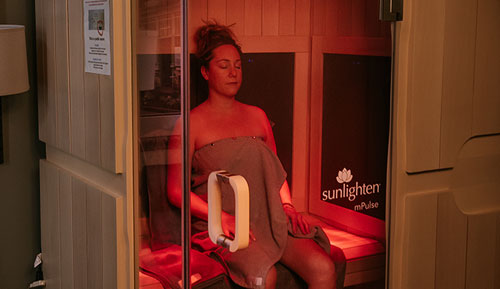
Infrared Sauna
A soothing heat therapy that may support healthy circulation, encourage perspiration and promote deep relaxation. Appropriate screening helps determine whether heat therapy is suitable for the individual.

Purification Programs
Structured whole-food programs designed to support the body’s natural detoxification processes, encourage healthier eating habits and build a stronger nutritional foundation when appropriate.
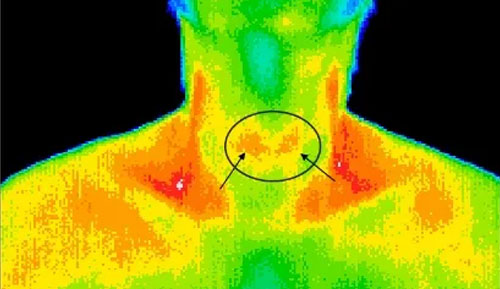
Thermal Imaging
A non-invasive, radiation-free scan that maps surface temperature patterns throughout the body and may offer additional information about areas that warrant closer attention. It does not diagnose conditions or replace medical imaging or screening.

Remote Nutritional Care
Provides individualized nutritional guidance, personalized recommendations and continued support for clients who are unable to visit The Well in person.

IV Infusions & Injections at The Well Spa
Provide individualized hydration and nutrient support when medically appropriate, helping address specific nutritional needs under proper clinical supervision.

Neural Therapy at The Well Spa
A specialized therapy that may be considered when scars, previous injuries or other physical stressors are part of the broader health picture. Eligibility is determined through appropriate screening.
These modalities are not a checklist, and you will not be expected to determine which options are appropriate on your own. Our team will help identify a thoughtful place to begin based on your health history, current care and individual priorities. Medical clearance may be required for certain modalities, and medications, supplements or prescribed treatments should never be changed without consulting the appropriate healthcare provider.
YOUR NEXT STEP
You Do Not Need to Navigate This Alone
Living with a chronic or complex condition can mean managing several symptoms, diagnoses, treatments and providers at the same time. You may know exactly what kind of support you are seeking, or you may simply need help understanding where The Well could fit within your broader care.
Share what you have been experiencing, the medical care you are currently receiving and the areas in which you would most like support. Our team will review your information and help you identify a thoughtful, practical place to begin. You will not be expected to choose a modality on your own.